Sometimes, we need to step up and perform tasks outside our comfort zone. Other times, we end up doing things simply because we were the willing volunteer.
This article highlights the specific skill sets needed to administrate a large audition. If you already possess these skills, excellent; if not, anyone willing can learn.
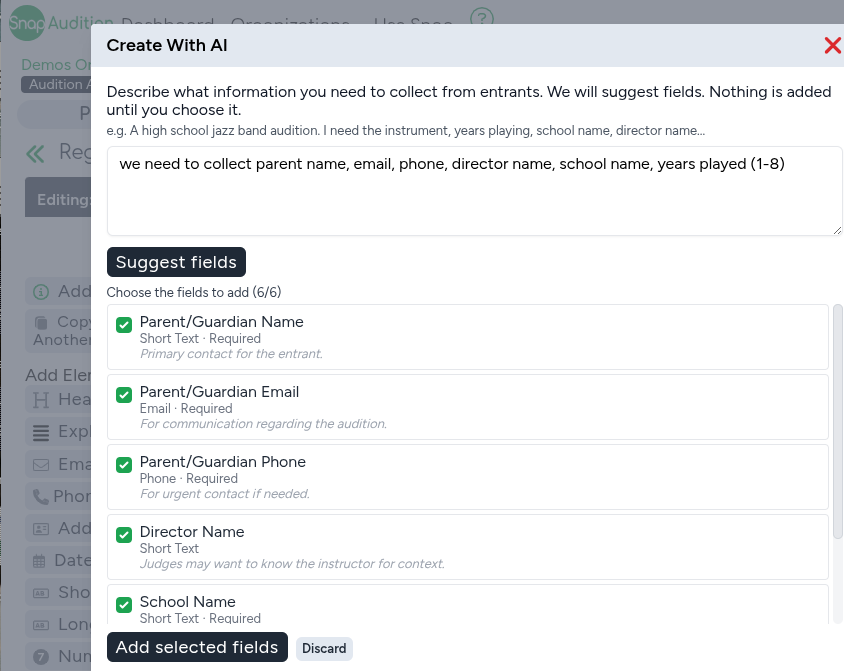
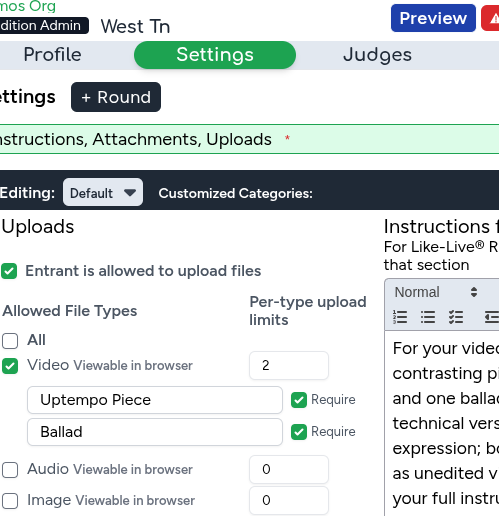
At Snap Audition, we assist organizations in executing auditions through dedicated software and consulting. This is what we have learned about operational leadership.
Introduction
Organizations and associations frequently focus on policy, repertoire, and adjudication protocols far more than the logistics of audition administration. While board members and committee leaders might excel at high-level governance, running audition mechanics requires distinct analytical capacity and rigorous attention to detail.
While an individual can certainly possess both policy leadership and operational skills, administrative success depends heavily on technical precision. It is critical to select an administrator who already demonstrates these capabilities or is committed to acquiring them.
Skills Needed to Run a Large Audition
When selecting an individual to configure, schedule, and manage audition logistics, prioritize candidates who demonstrate five core competencies:
1. Data Structure and Logic
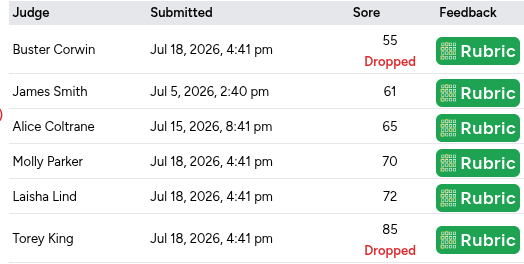
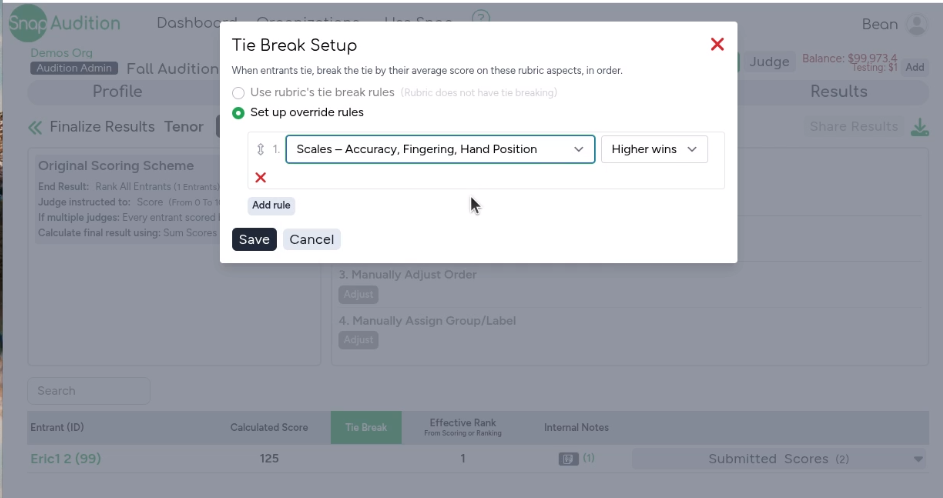
- Systems Thinking: Ability to structure complex datasets, including multi-tiered rubrics, ensemble categories, and multi-judge scoring formulas.
- Accuracy: High attention to detail when managing entrants, instructions, and scoring parameters to prevent downstream tabulation errors.
2. Constraint and Workflow Planning
- Logistical Foresight: Capability to model physical and operational constraints, such as room capacities, warm-up room traffic flows, buffer times, and judge fatigue limits.
- Conflict Resolution Logic: Understanding how to configure scheduling parameters to systematically prevent time overlaps and judge conflicts of interest.
3. Process Rigor and Auditing
- Procedural Discipline: Commitment to systematic execution rather than ad-hoc adjustments during live operations.
- Pre-Flight Testing: Willingness to run comprehensive test scenarios—verifying scoring formulas, schedule outputs, and reporting logic—before going live.
4. Technical Aptitude
- Software Proficiency: Comfort navigating modern web platforms, database tools, and specialized management software like Snap Audition.
- Real-Time Troubleshooting: Ability to diagnose data discrepancies quickly and resolve user-input issues calmly under time constraints.
5. Clear, Structured Communication
- Operational Clarity: Ability to distill complex schedules, rubric guidelines, software workflows, and venue rules into precise directions for judges, entrants, directors, and peers.
- Proactive Signposting: Anticipating common failure points—such as technical glitches, arrival flows, check-in logistics, equipment needs, and submission deadlines—and communicating instructions well in advance.
- Expectation Management: Establishing firm boundaries around scoring timelines, dispute procedures, and administrative protocols to minimize friction during live operations.
How to Find or Train an Audition Administrator
- Draft a Formal Role Description: Avoid asking in a general meeting, "Who would be willing to run this year's audition?" Unstructured calls for volunteers often yield leads who struggle with operational execution. Define the role's responsibilities clearly before searching for candidates.
- Look Beyond the Leadership Pipeline: Recruit individuals with professional backgrounds in project management, bookkeeping, systems administration, data analysis, or event operations who enjoy detail-heavy work.
- Recruit Directly: The most qualified candidates may not be the most visible board members. Share the role description with targeted individuals and confirm whether they enjoy analytical tasks and operational planning.
- Qualify Candidates: Even for unpaid volunteer positions, evaluate whether the individual possesses the necessary skills to manage the software and data integrity.
Training and Developing the Next Admin
- Establish an Apprenticeship Model: Pair an incoming administrator with an experienced past operator. The new admin does not need to copy old methods, but this structure ensures critical institutional knowledge is transferred.
- Build Standardized Documentation: Maintain step-by-step operating procedures, data validation checklists, and system setup guides so event success relies on documented processes rather than memory.
- Provide Early System Access: Grant access to platforms like Snap Audition well in advance. This allows trainees to practice configuration, run mock registration cycles, and troubleshoot simulated data errors before going live.
More Articles